Gran Caffé Gambrinus
Dal 1860
Naples (NA)
Gran Caffé Gambrinus
Dal 1860
Naples (NA)
Sole Administrator, Ownership - Arturo Sergio Ownership - Massimiliano Rosati
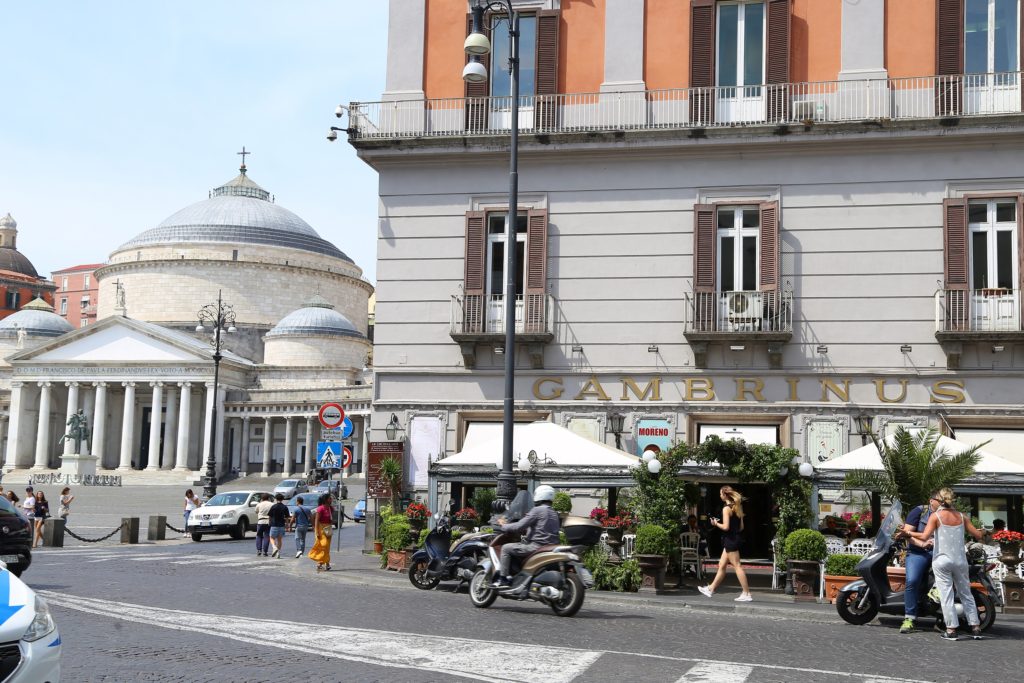
Via Chiaia, 1/2, 80132 Napoli NA
+39 081417582
info@grancaffegambrinus.com
grancaffegambrinus.com
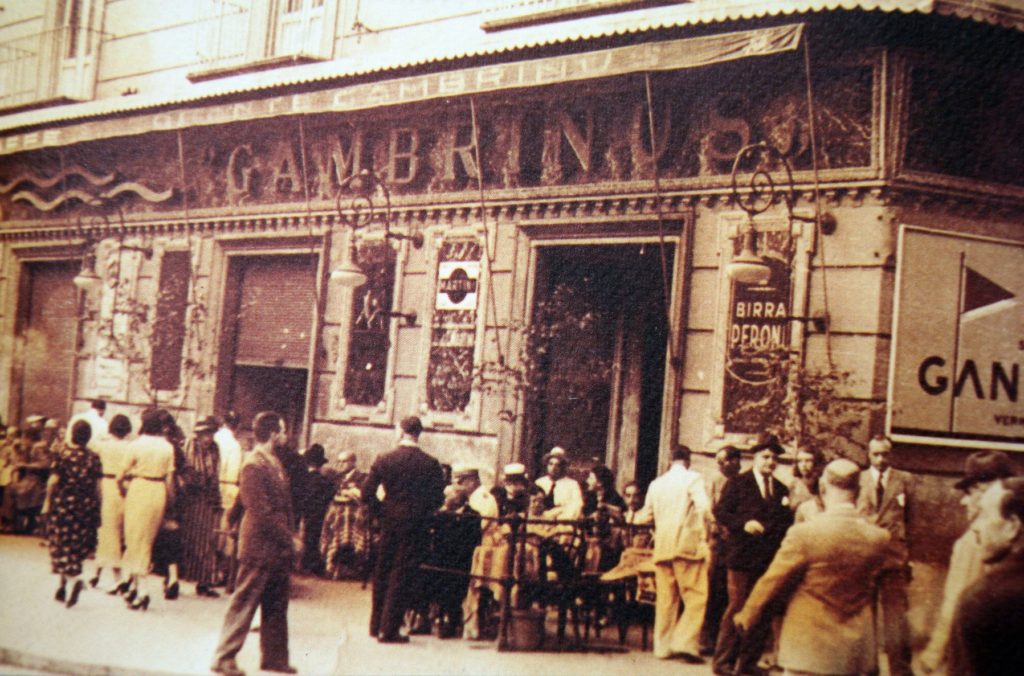
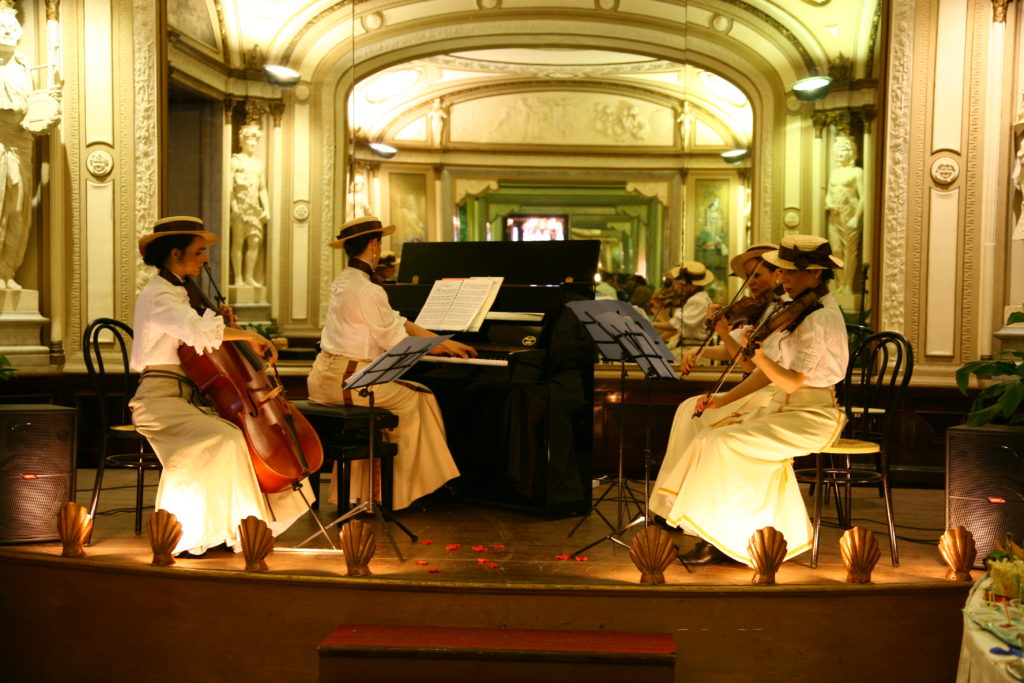
Originally the “Gran Caffè”, in 1890 was renovated by Antonio Curri in the Liberty style, with splendid frescoes and paintings by the greatest artists of nineteenth-century Naples. The political, urban and moral hub of the city, here D’Annunzio wrote the verses of his “A vucchella”, Edoardo Scarfoglio and Matilde Serao launched the daily “Il Mattino” and Croce, Wilde, Marinetti, Hemingway, Sartre came to sit. Set of the Café Chantant during the Belle Époque, here arose the rite of “Caffé Sospeso”. Part of the building was turned into a Bank by the Fascist prefect in 1938, it won back its stunning rooms overlooking Piazza del Plebiscito thanks to the Sergios, it’s managing family for fifty years. It is the main stop-over of the Presidents of Italian Republic visiting Naples.

The most pugnacious

The Gran Caffè Gambrinus in Naples: the family that runs it fought for nearly 30 years to regain the portion of the café that, in 1938, was converted into a bank after a high-ranking Fascist official asked the prefect to close it because the noise coming from the café—which was located beneath his home—disturbed his wife’s bridge game. With a touch of satire, Alberto Savinio, De Chirico’s brother, wrote in the weekly magazine *Omnibus* that “the air of Naples is fatal to fine cafés, just as roses are poisonous to donkeys,” and the regime ordered the publication to be shut down as well. In 2001, the two parts of the Gambrinus were reunited, thus bringing together those splendid rooms that serve as an art gallery housing over 40 paintings by the greatest names in 19th-century Neapolitan painting.

The most cinematographic

A journey through fascinating facts for film history enthusiasts, presented in the order in which they were discovered. Some of the earliest outdoor film shots were shot at the Excelsior Palace Hotel in Rapallo for the film *Battesimo di nave* (1914), starring and directed by Gian Paolo Rosmino, a historic figure in Italian cinema. At the Caffè Ristorante La Loggia in Florence, in the summer of 1916, Arnoldo Ginna set the scene of the elderly gentleman being accosted by young Futurists (to symbolize the contrast between the traditionalist world and the dynamism of the new culture) in the now-untraceable film “Vita futurista,” conceived, among others, by the father of Futurism, Marinetti, and the painter Balla...

The Most Art Nouveau

Undulating, dynamic, inspired by nature, beautiful: whether from their original construction or following renovations in the late 19th century, over seventy historic venues in Italy embraced the Art Nouveau style. Here they are, brought together in an ideal itinerary to be explored for the pleasure of a “floral stop.” The research was conducted for the 2013 edition and has become part of the historical and cultural heritage of the Guide and the Association of Historic Venues of Italy.

Scopri altri Locali Storici